 Rob
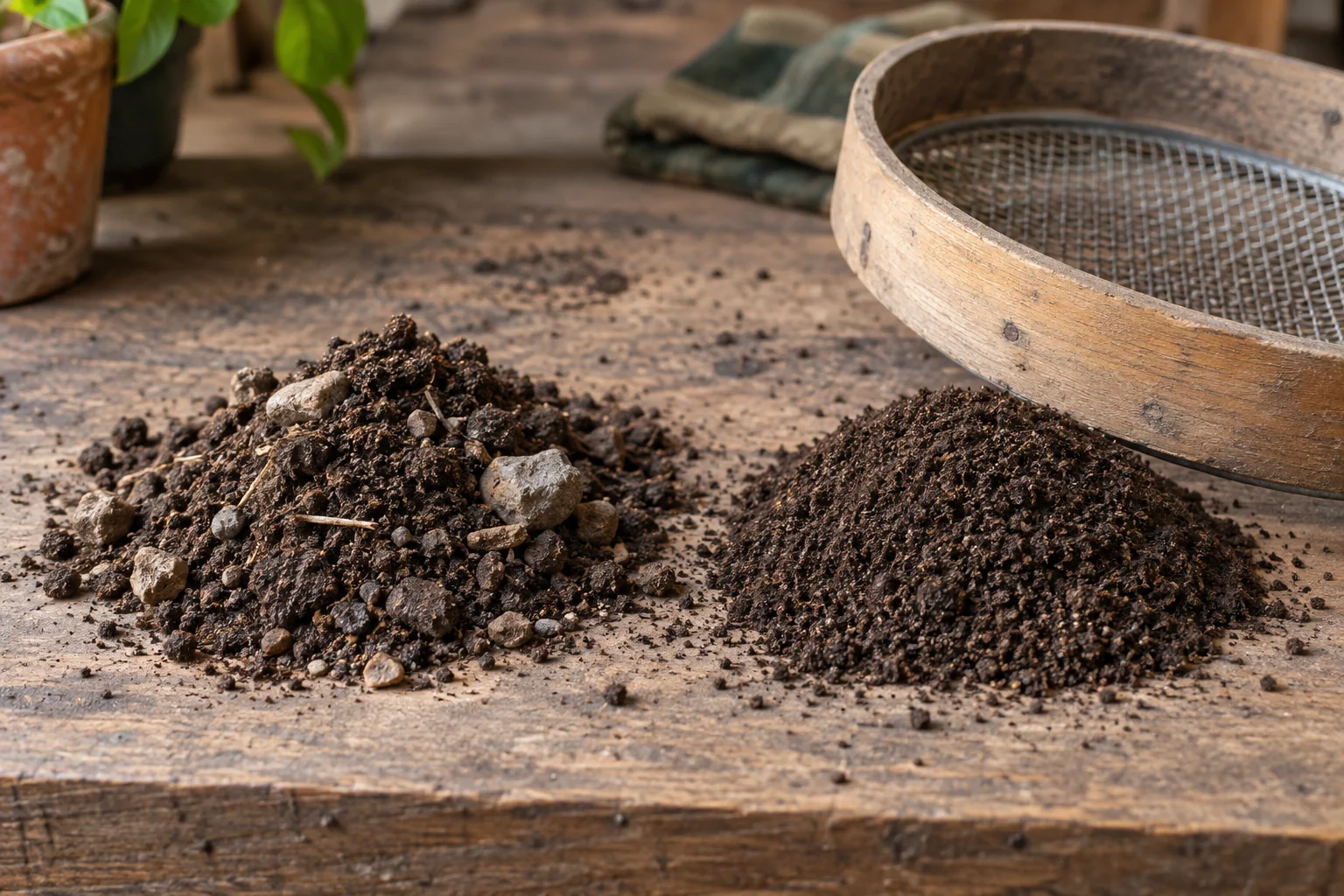
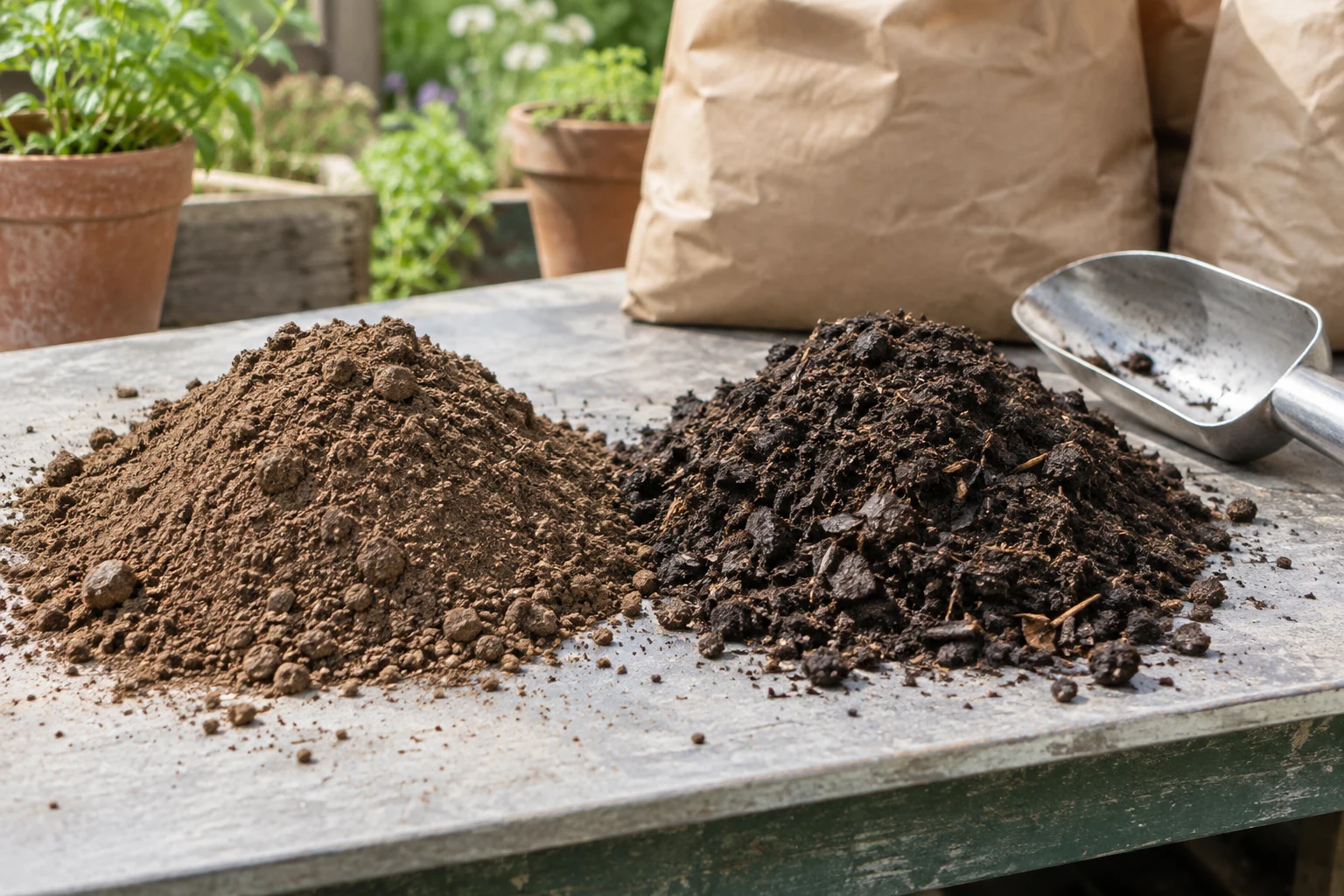
Screened topsoil has undergone a size-separation process intended to remove larger pieces from the supplied material. That can make it easier to spread and finish, but screening is not a complete soil-quality test. Unscreened material may be suitable for some specified landscape work, yet its usefulness depends on what it contains and the finish the project requires.
| Check | Useful evidence | Not established by screening alone |
|---|---|---|
| Particle cutoff | Stated screen size | Fertility or pH |
| Condition | Representative sample and agreed description | Freedom from every contaminant |
| Quantity | Delivery unit and measured scope | Finished yield without a basis |
| Origin and suitability | Supplier records and relevant tests | Suitability based only on appearance |
Choose the soil specification first, then decide how much screening matters. A neat pile with few stones is easier to inspect visually, but appearance alone cannot establish fertility, pH, salts or the material's history.
Ask what “screened” means for this product
Request the screen size, the supplier's description of the finished product and any acceptance limits for coarse material. The word screened does not state these details by itself. A product processed through one screen may look different from another sold under the same broad name.
Ask whether the quoted load is the finished screened volume. If you buy unscreened material and process it yourself, the input volume is not automatically the usable output volume. Material retained by the screen and changes in packing both affect the result.
Do not confuse a screen opening with the complete soil texture. Removing larger fragments does not tell you the relative proportions of sand, silt and clay that pass through. Those are separate characteristics and need separate information.
What screening can help with
Utah State University Extension notes that abundant coarse fragments can interfere with operations such as seeding, tilling and aeration, and recommends screening where their proportion is high. The same guide treats chemical properties and texture separately. A processing step is therefore one part of the specification.
For a fine surface finish, a more consistent material may reduce the amount of hand picking and raking needed. For a deeper planting-soil layer beneath an agreed surface treatment, the finish requirement may differ. Describe the actual job rather than assuming all garden work needs the finest possible product.
The presence of some natural stones is not the same question as construction debris or unknown contamination. Ask what is allowed in the supplied material and reject substitutions that do not meet the agreed specification. Screening should not become an excuse to accept a poorly documented source.
What screening does not prove
A mechanical size separation does not provide a laboratory result for pH or soluble salts. It also does not establish a complete chemical history. If a seller claims the material is tested, request the report and find out which stockpile or batch it represents.
“Screened” and “sterile” are different claims. Do not assume removal of coarse objects establishes freedom from weed seeds, pathogens or residual herbicides. Ask for evidence relevant to any such assurance rather than treating a clean-looking sample as proof.
A supplier may amend soil before or after screening. Record whether compost or another ingredient is included. The additional ingredient changes what you are buying even if the final particle size appears similar to an unamended product.
| Question | Useful evidence | Not established by screening alone |
|---|---|---|
| Will it be practical to spread? | Representative sample, screen specification and condition | Every load has identical moisture or workability |
| Does it suit the plants? | Relevant soil analysis and planting requirements | Suitable pH, nutrients or salts |
| Does it meet the finish? | Agreed fragment limits and trial finish | Automatic suitability for every lawn or bed |
| Is its origin acceptable? | Supplier records and appropriate testing | A known source or contamination history |
Inspect a representative sample
Ask to see the stockpile from which the order will be supplied, where practical, and obtain a representative sample. Photograph it with a scale reference and retain the product description. If the pile changes before delivery, ask whether the same information still applies.
Examine a spread-out sample rather than only the smooth outer face of a pile. Note the visible fragments, texture and moisture condition without converting those observations into unsupported laboratory claims. A visual check complements an analysis; it does not replace one.
If the project requires a particularly fine finish, try a small amount in the intended process. Can it be spread to the chosen layer and raked as needed? A manageable sample can expose a mismatch before a large load makes the decision expensive to reverse.
Worked example: a measured finished-soil layer
Once the finished product and delivery unit are clear, use the topsoil volume calculator with the measured area and finished layer depth. Keep any screening yield separate from that geometric volume.
Inputs and calculation
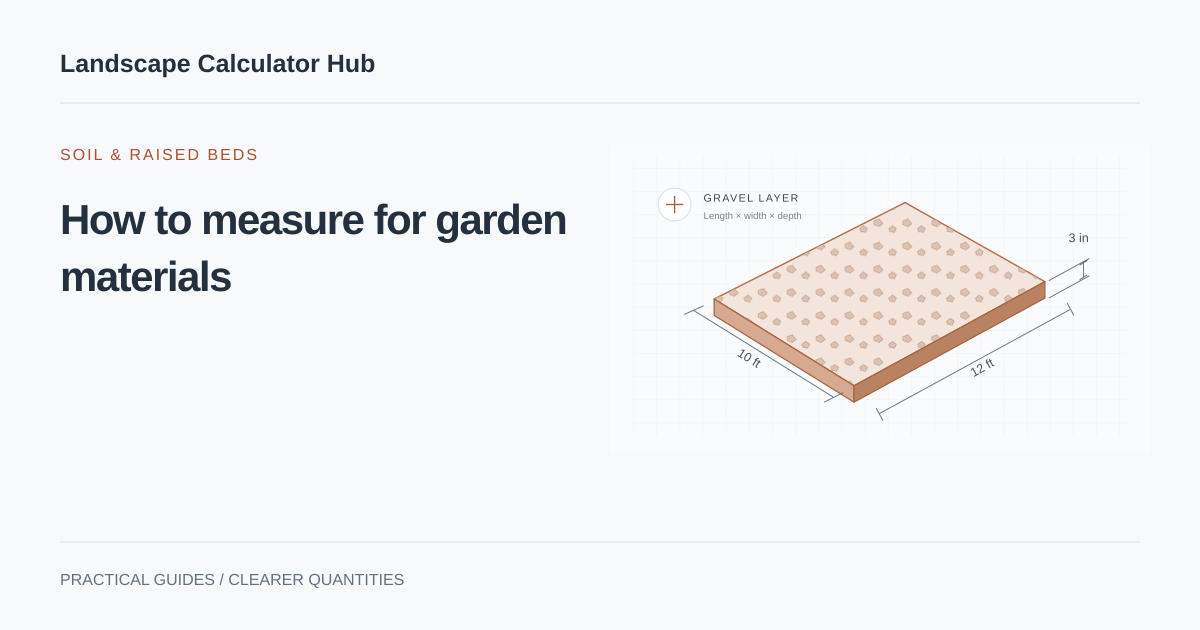
Suppose a suitable landscape plan calls for a 3-inch additional soil layer over a 16-foot by 9-foot area. The geometric volume is 16 × 9 × 3 ÷ 12 = 36 cubic feet, or 1.3333 cubic yards. This is a chosen project depth, not a universal lawn or planting recommendation.
If the supplier sells the selected screened product in quarter-cubic-yard increments, the next available amount is 1.5 cubic yards, equivalent to 40.5 cubic feet. The purchased amount exceeds the geometric requirement by 4.5 cubic feet before any supported yield adjustment.
Interpret the purchase
Keep that remainder visible. Do not raise the planned level simply to use the entire load. Check where a suitable surplus can go, especially near existing plants, paving and buildings, before accepting the order increment.
Worked example: screening your own material
Inputs and calculation
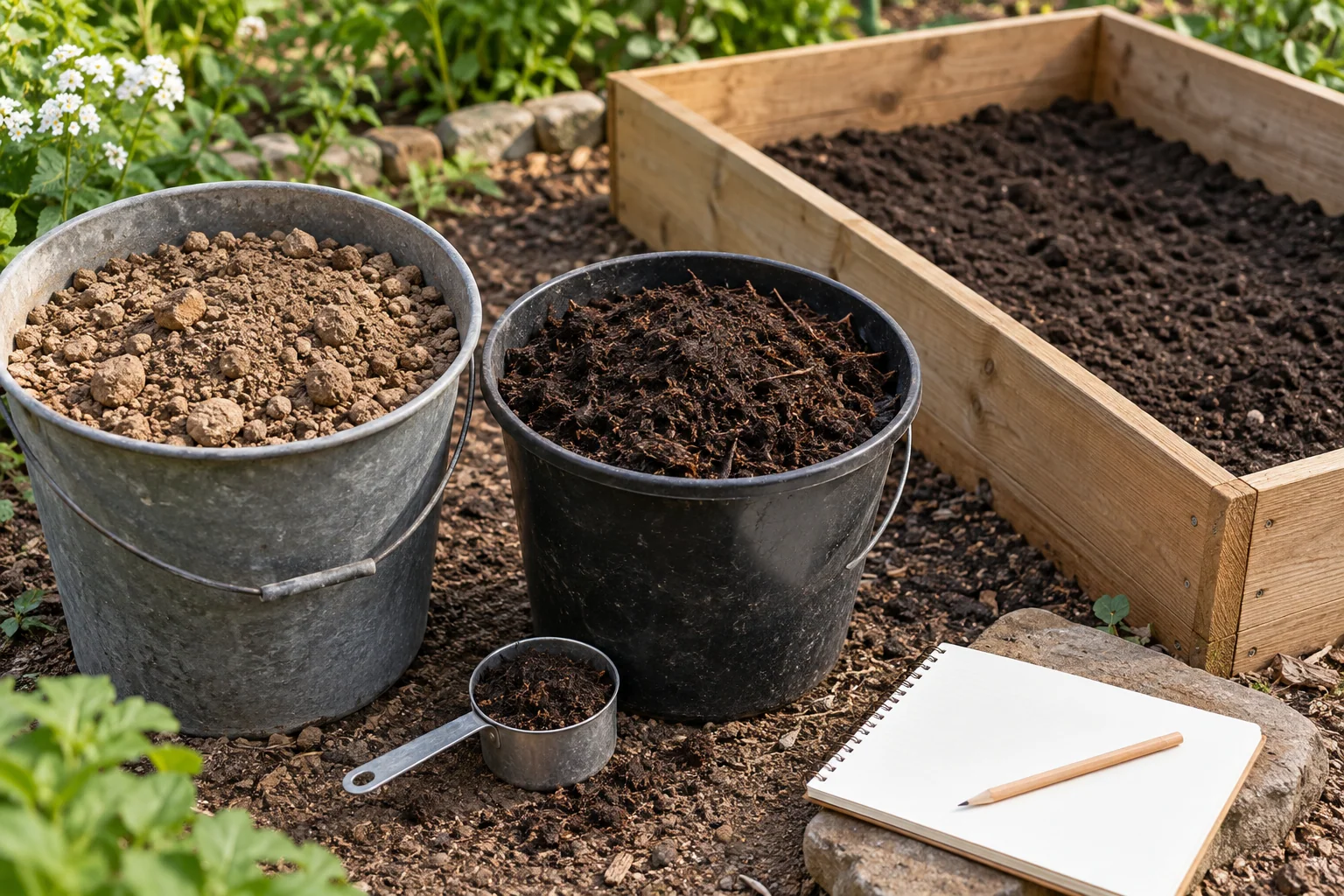
Imagine a small trial using 20 measured buckets of unscreened soil. After processing with the chosen method, it supplies 17 buckets measured consistently as usable material. That trial's usable-volume ratio is 17 ÷ 20 = 0.85, or 85%. It is an observation from this hypothetical trial, not a standard loss factor.
If a similar task needs 34 buckets of usable output, the preliminary input estimate is 34 ÷ 0.85 = 40 buckets. The estimate assumes the larger batch behaves like the trial. A variable stockpile may not, so keep that limitation explicit.
Interpret the purchase
Do not convert the missing three buckets directly into a waste mass. Input and output packing may differ, and the retained material has its own density and condition. Measure any disposal quantity on a basis appropriate to the disposal service rather than inventing a weight from the volume difference.
Compare total handling cost
Suppose a finished screened supply costs a hypothetical $80 for the required usable quantity, while an unscreened alternative costs $55 before processing. The apparent saving is $25. It only remains a saving if screening equipment, time, reduced yield and any disposal together cost less than that difference.
Put an explicit value on those tasks for your own comparison. If you already have a suitable screen and enjoy the work, the decision may differ from a project with a contractor charging by the hour. Neither case establishes that one product is universally better value.
Also compare delivery and access. A small screened order delivered near the work can reduce repeated handling; a cheap large pile at the far end of the property may require more labor. Keep those logistical facts separate from soil-quality claims.
Accept the delivery against the agreed description
- Prepare a clean, suitable staging area and confirm where the load will be placed. Retain the invoice and photograph the delivery before spreading. If the material differs substantially from the sample or contains unexpected debris, raise the concern promptly while the load remains identifiable.
- Check more than one visible part of the load where it is safe and practical. A single stone does not describe the whole consignment, and one fine handful does not establish that all of it meets the agreement. Document the apparent extent of any concern.
- Keep different products separate. Mixing a disputed delivery into existing soil makes both the quality question and any correction harder to resolve. Likewise, do not let an installer substitute another blend without checking the intended use and specification.
Retain a delivery reference sample
If practical, keep a small labeled sample until the delivered soil has been checked against the agreed description. Photograph any obvious discrepancy before spreading. The sample is a reference for that load, not proof of fertility or freedom from contaminants, but it makes a supplier discussion more concrete than a memory of the pile's appearance.
Use a specification and yield worksheet
Record the moisture condition during a processing trial. If the trial uses relatively dry material and the delivery arrives wet and clumped, the work rate and apparent bucket yield may differ. Do not quietly reuse the first figure as if the conditions were unchanged. Repeat a small check or discuss the change with the supplier before committing the whole project to that estimate.
Keep the measurement method consistent too. Level buckets filled without deliberate compression provide a clearer comparison than alternating heaped and compacted measures. The aim is a repeatable local estimate, not an artificial degree of precision. Write both the observed result and the conditions that produced it on the worksheet.
The screened topsoil comparison sheet records source, analysis, screen description, project volume and handling costs. A separate field captures any actual trial yield so an observed figure is not mistaken for a universal allowance.
For a finished product, order the compatible supplied volume and retain any documented yield information. For material you will process yourself, allow the trial and the agreed finish to guide the estimate. The same geometric requirement can lead to different purchase quantities because the processing stages differ.
Screening is valuable when it addresses a specific fragment or finishing requirement. Soil quality still depends on the material's physical and chemical properties and its suitability for the plants. Buy a defined product for a defined task, with screening recorded as one characteristic among several.
Sources and further reading
- Topsoil Quality Guidelines for Landscaping — Utah State University — source reviewed 2026-10-07.